Image

What Lawrence Cunningham Learned From Studying Warren Buffett

While most of Warren Buffett’s ideas have been shared for decades, hearing from someone who has studied Buffett in more detail than pretty much anyone else can serve as valuable repetition. 


Lawrence Cunningham has written multiple books on Buffett, including the legendary The Essays of Warren Buffett. The book is a collection of Buffett’s shareholder letters organized by topics such as investment philosophy and corporate governance. 


He also serves on the boards of Constellation Software and Markel, two companies led by excellent capital allocators.


In other words, Cunningham has studied and worked with some of the history’s best investors.


Here is a distillation of some of the most important lessons from Buffett that Cunningham puts forth in his work; and in the spirit of Charlie Munger’s “invert, always invert” framework, let’s start with what Buffett advises investors not to do:


Bought to you by: Stock Unlock. 

Read Past Newsletters
 

Did You Know? 

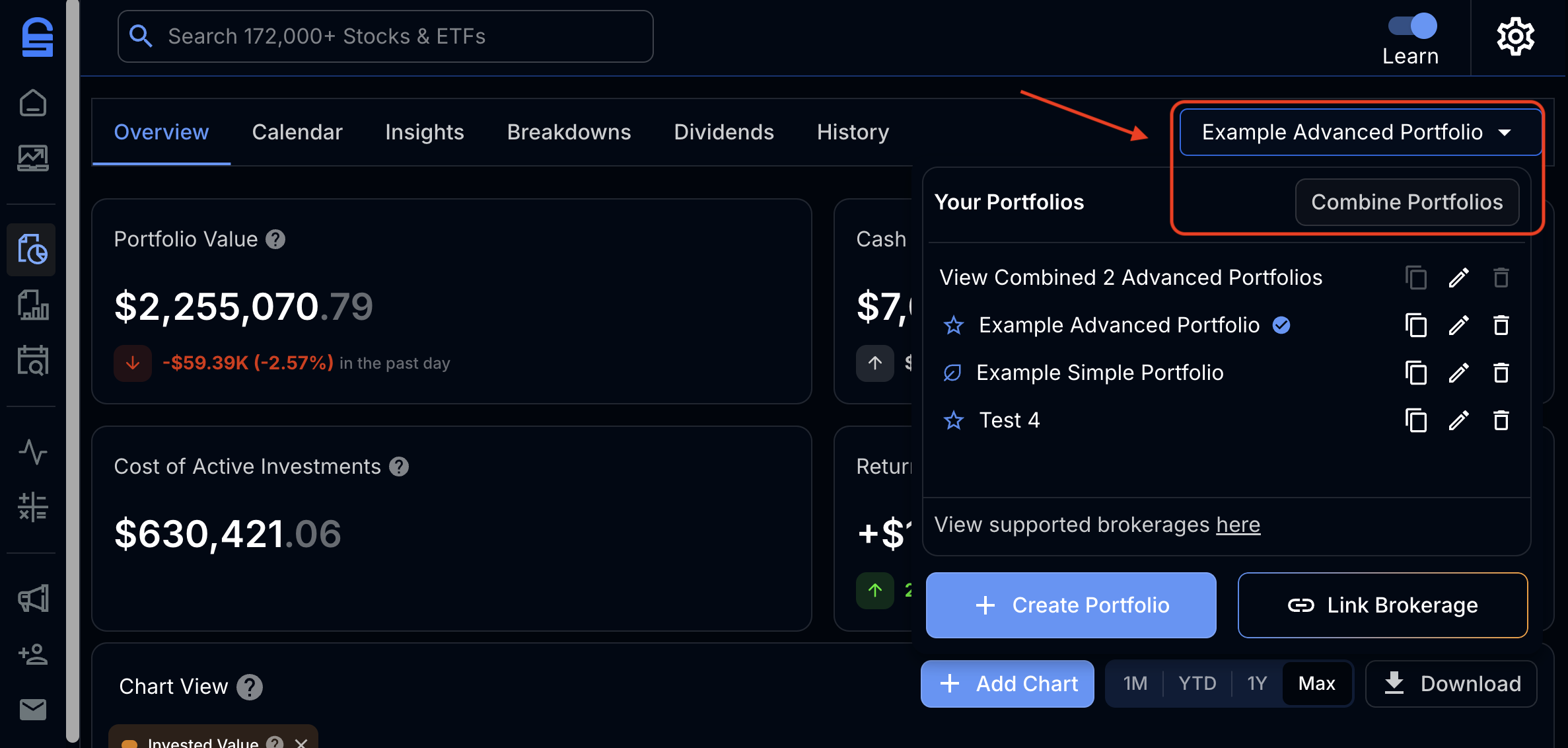
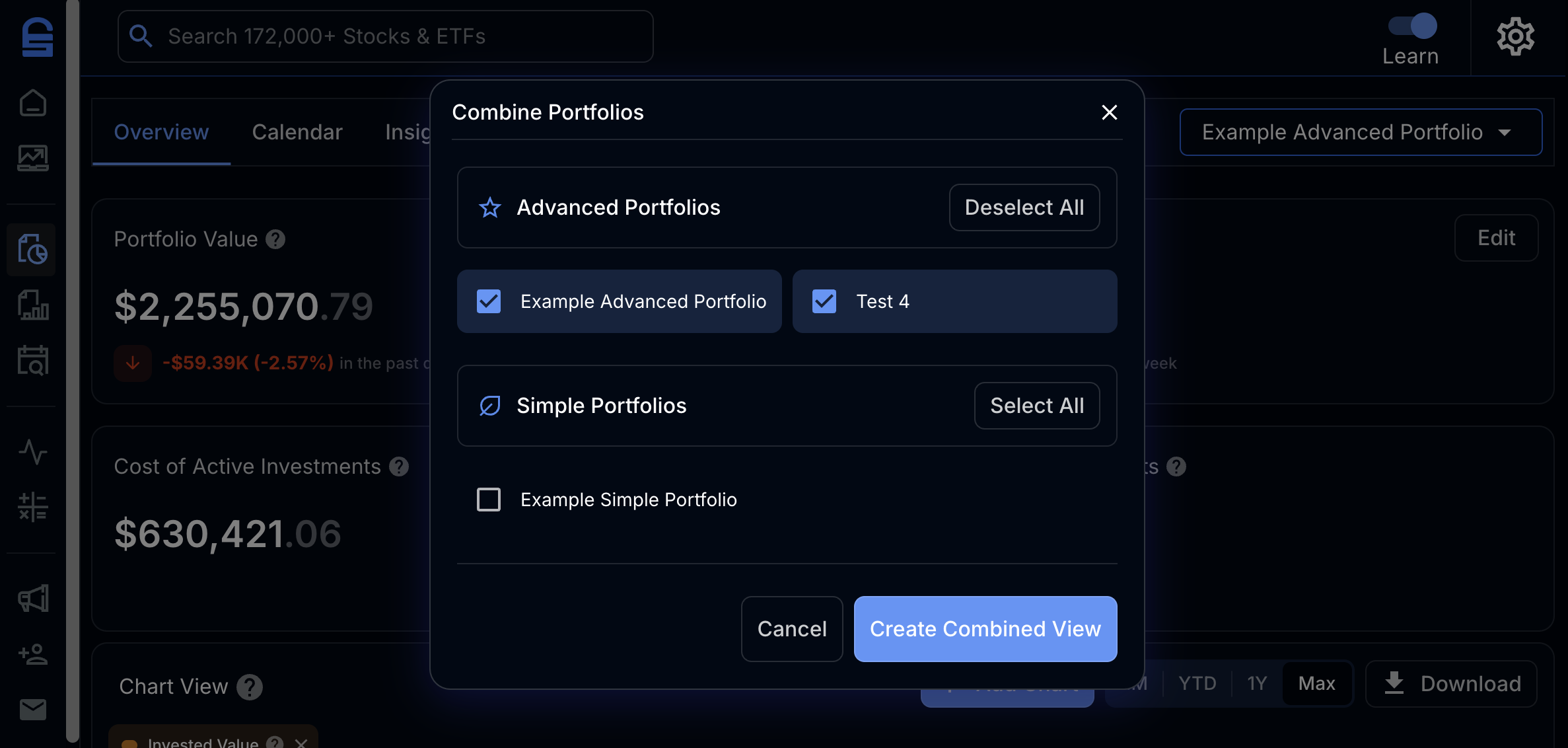
You can create custom portfolio combinations in Stock Unlock! Simply click the "Combine Portfolios" button near your portfolio drop-down to select exactly which portfolios you want to view together. This powerful feature lets you analyze your Advanced and Simple portfolios side-by-side in a unified view.


What Buffett Avoids

Companies Paying with Options


Stock options have over the past decades become a widespread way of paying executives. What was originally intended as a way of rewarding management for reaching certain financial targets or milestones has become a symbol of Wall Street’s short-term thinking.


Most option plans today reward managers based on corporate performance such as hitting a pre-determined EBIT figure. Such incentives, however, encourage short-term thinking aimed at improving annual earnings without considering the long-term impact.


As a consequence, most options plans do not align managers with shareholders. 


A manager’s most important job, according to Buffett, is to allocate capital rationally. If capital is deployed poorly over time, shareholders are the ones left with the bag. Because options are - in almost all cases - irrevocable, managers do not face the consequences of poor allocation. As a general rule, this might mean investors are better off avoiding companies that offer heavy option packets to their executives.  


Derivatives 


Buffett and Munger have always been loud opponents of financial derivatives. Munger, often more outspoken than Buffett, famously called them “financial weapons of mass destruction.” 


Interestingly enough, Berkshire has at times taken positions in derivative contracts when Buffett deems them as extremely mis-priced, which happens from time in time in volatile markets. 


That does not mean derivatives are a handy tool for the lay investor. Some investors use derivatives as hedges to manage risk in a portfolio; for long-term investors managing their own portfolios, however, there is little need to hedge volatility. Buffett only used derivatives when he saw an opportunity to take advantage of price mismatches in the market, not as a risk management tool. 


Debt


“Berkshire retains and reinvests earnings when doing so delivers at least proportional increases in per share market value over time. It uses debt sparingly and sells equity only when it receives as much in value as it gives.” 


Like derivatives and other destructive weapons, buying stocks with leverage has increasingly become available to investors. 


Simply put, in any unexpected market event, debt increases your chances of blowing up and decreases your chances of taking advantage of lower stock prices. 


One of the secrets to Berkshire’s longevity, and one that has allowed Berkshire to compound per-share book value by 19.9% annually since 1965, is the underrated ability to survive. Compounding stops if the portfolio blows up - so, leverage is rarely a good idea.


Modern Portfolio Theory 


“Buffett thinks most markets are not purely efficient and that equating volatility with risk is a gross distortion.” 


With the growth of modern finance theory came the claims from academic researchers and professors that Buffett’s long-term track record of beating the market was due to luck.


Markets, according to modern finance theory, are efficient. This means that stock prices always reflect fundamentals and that the only risk is volatility.


Of course, investors who have been involved in the stock market over the past few years know that stock prices swing wildly for no apparent reason. That is always why Buffett emphasized that, “Price is what you pay, value is what you get.” Volatility is not a measure of risk. 


What Buffett Does

Only Partners with Reliable Stewards of Capital


As the acquisition machine that Berkshire has been since 1964, Buffett has met and talked to thousands of business owners and CEOs. 


This has allowed Buffett to develop a filter that quickly detects which managers he wants to partner with.


One of the most important attributes Buffett looks for is a manager who “thinks like an owner,” meaning he or she allocates capital rationally and does what is best for the company’s long-term health. 


When Buffett purchased Nebraska Furniture Mart in 1983, he did so without any formal audits of the business accounts. He had met with the founder and owner, famously known as Mrs. B, who Buffett instantly trusted. Mrs. B ruthlessly fought to keep prices low for customers, and continued to lead NFM until she stepped down at 90 something years old. 


Provide Managers with Autonomy 


“The managers of important businesses we have owned for many years have not been to Omaha or even met each other. When we buy a business, the sellers go on running it just as they did before the sale.”


Buffett lets his managers operate with autonomy for a few reasons.


First, these managers already had some of the most important characteristics Buffett looks for—integrity, honesty, and an extraordinary work ethic; otherwise, he would not have bought or invested in them in the first place. 


Buffett understands that he is best served staying away as long as the profits keep coming to Berkshire for him to allocate. 


Berkshire also wants to be a “buyer of choice.” Buffett has built up this reputation for integrity over decades. This gives him an edge when competing for acquisition targets with other companies - even if Berkshire offers a lower price, some owners prefer to sell to Berkshire because they know their business will remain intact. 


Stick to Graham’s Principles


As Cunninham writes, “Buffett learned the art of investing from Ben Graham as a graduate student at Columbia Business School in the 1950s and later working at Graham-Newman.”


One of Graham’s most important lessons is the idea of a Mr. Market offering euphoric or depressed stock prices depending on his mood. Buffett has repeatedly re-told the story of Mr. Market in his letters and annual meetings, encouraging shareholders to remain rational despite the market’s emotions. 


Another of Graham’s invaluable lessons is margin of safety. 


Despite what modern portfolio theory claims, true investing is about comparing price and value. Everything else is speculation. 


Although Buffett early moved on from Graham’s cigar-butt approach to investing, his lessons have always guided Buffett’s behavior in the market.


Communicate Truthfully to Shareholders


As opposed to most executives in publicly traded companies, Buffett does not want Berkshire to trade at neither grossly overvalued prices nor severely depressed prices.


The reason is at that Buffett wants Berskhire shareholders to be truly long-term oriented.


Even though Berkshire could repurchase shares when the stock price falls from time to time, Buffett also knows that this would mean shareholders are selling when the stock is trading at a discount. 


Buffett and Munger are also happy to tell the world when they think stocks, including Berkshire, are overvalued.


Over more than five decades, Buffett has built a shareholder base that reflects his integrity and long-term thinking. Many shareholders have made life-changing money alongside Buffett. This sort of quality shareholder base would not be possible to attract without honest disclosures and ethical business practices.


 

Conclusion

Cunningham’s The Essays of Warren Buffett is a handy compilation of Buffett’s views on important investing concepts, including corporate governance, accounting and investment principles. 

Importantly, Cunningham also highlights what Buffett avoids - red flags he sees in managers and companies. As Buffett has exemplified, avoiding permanent loss of capital is the key to longevity in the market. In a world increasingly run by promoters and ever-shortening time horizons, these are in many ways as helpful as learning how Buffett finds good companies. 


Author

This Newsletter's Author

This newsletter was written by Jørgen Pettersen. You can find him on Twitter/X.


Disclaimer

Stock Unlock's newsletter is not a recommendation to buy or sell stocks. Stock Unlock does not provide financial advice, and we are writing this newsletter to help share ideas and teach you more about stock analysis. Please do not buy or sell stocks we discuss without doing your own research and/or consulting with a professional.


Feedback

In addition to providing education around investing fundamentals we are exploring adding value through sending our members stock ideas and analysis. Please let us know if you enjoy this type of newsletter or have any feedback.

Let us know what you think by emailing support@stockunlock.com


Join 4,000+ Investors on Discord


Find us on X


Connect with us on LinkedIn


Watch us on Youtube


Say hi on our subreddit

 
Image

Privacy Policy

FAQs

Contact Us