The Art Of Capital Allocation |
Investing in stocks is equivalent to investing in companies. You can look at business fundamentals like products, services, margins, employees, growth opportunities, etc. But the main important aspect of businesses is the capital allocation. What management does with the cash those products generate.
A CEO is essentially an investment manager. They take the free cash flow of the business and decide where to put it. They can build new factories, buy other companies, pay dividends, or buy back shares. If they choose well, the value of each share grows. If they choose poorly, they destroy the value you have worked hard to build.
So capital allocation is the most important job of a management team. Yet, it is not taught in business schools. Most CEOs reach the top through sales, engineering, or law. They are passionate people with charisma and are often unprepared for the task of moving capital. As investors, we must judge them on their ability to think like an investor.
This week, ServiceNow (NOW) announced their intention of buying a cyber vendor for $7B, and NOW stock declined 12% on the next day. How is that possible? In this newsletter, we’ll look at how to judge acquisitions. We’ll discuss the different ways a company can spend your money as a shareholder. We will focus on when these moves make sense and how they affect your per-share returns. Brought to you by: Stock Unlock. |
📱 Coming Soon to the Stock Unlock App: |
When Acquisitions Make Sense |
|
|
Acquisitions are the most common way management teams destroy value. Many CEOs want to build empires. They like the prestige of running a larger company. This leads them to overpay for competitors or enter markets they do not understand. An acquisition only makes sense when the return on investment (ROI) is higher than other options. The math must work.
As an investor, you must compare the ROI of all opportunities. The earnings yield of a stock is an opportunity. The ROIC of reinvesting inside the business is an opportunity. A dividend is an opportunity. An acquisition is an opportunity. If a company buys a competitor for 20 times earnings (5% yield) but its own stock trades at 10 times earnings (10% yield), it is often a bad deal. They are using expensive capital to buy a cheaper business.
A good acquisition should strengthen the moat. It might add a technology the company needs or help them reach a new region. However, the price paid is the final judge. Even a great business is a bad buy if the price is too high. |
The Role Of Dividends And Buybacks |
Once a business is mature, it often generates more cash than it can use for growth. At this point, management must return that cash to shareholders. There are two main ways to do this: dividends and buybacks.
Dividends are simple. They provide a direct cash return. They signal that the business is healthy and the cash flow is real. A consistent dividend policy forces management to be disciplined. They cannot waste cash because they have a commitment to the shareholders. However, dividends are taxed. They are a good option when the stock is expensive and buying back shares would be a poor use of capital.
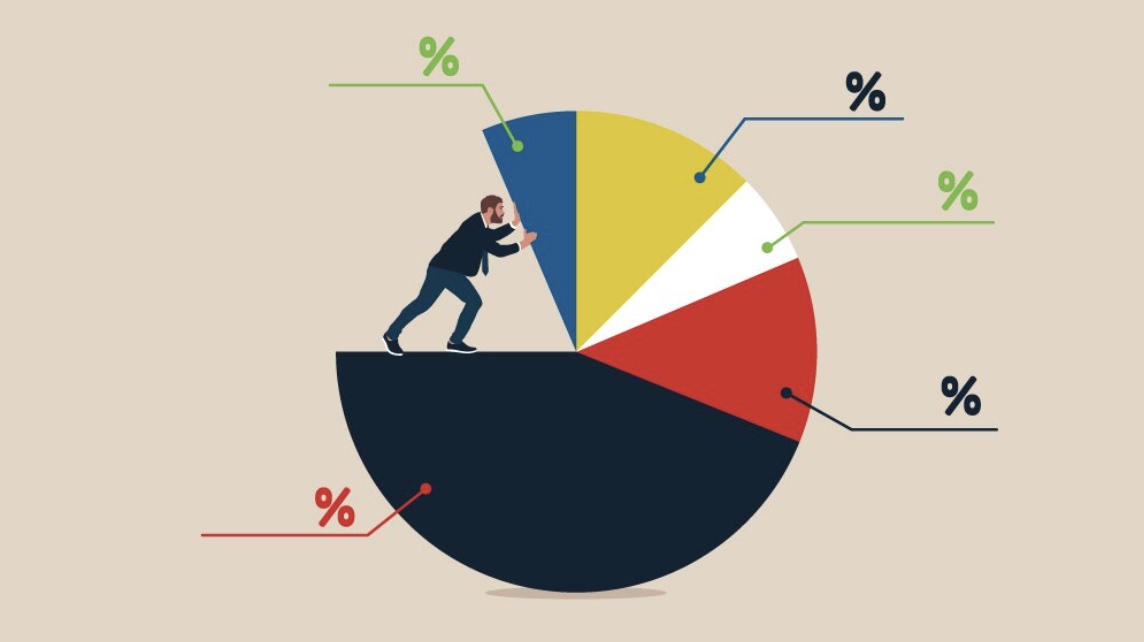
Buybacks are more complex. When a company buys its own shares, it reduces the total number of shares outstanding. This means your "slice of the pie" gets larger. If a company has 100 shares and buys back 10, your ownership increases by 10% without you spending a dime.
Buybacks only make sense when the stock is trading below its intrinsic value. If management buys back shares when the stock is expensive, they are wasting your money. They are buying a dollar for two dollars. We want to see management buy back shares when the market is pessimistic. This is the ultimate sign of a rational capital allocator. If you want to go deeper, you can study Henry Singleton with Teledyne. Maybe the ultimate capital allocator when it comes to buybacks. You have other candidates that follow the same strategy to some extent: Fair Isaac, Williams-Sonoma, Autozone, Autonation, and NVR.
|
Focusing On Per-Share Metrics |
Total profit is a vanity metric. If a company grows its profit by 10% but issues 20% more shares to do it, you are actually poorer as a shareholder. Your claim on the earnings has been diluted. This is why we must always focus on per-share metrics.
Free cash flow per share is the gold standard. It tells us exactly how much cash is being generated for each unit of ownership. A management team that understands capital allocation will focus on growing this number above all else. They will not grow for the sake of growth. They will only grow if it makes the individual shares more valuable. |
Three Things To Monitor Management ROI |
To see if a management team thinks like an investor, you should monitor these three specific areas. These show if they are focused on returns or just size. -
Return on Invested Capital (ROIC) This is the most important number. It tells you how much profit the company generates for every dollar put into the business. A high ROIC suggests a strong moat. More importantly, check if the ROIC is stable or growing. If management spends billions on an acquisition and the ROIC drops, they likely overpaid.
- The Buyback Price Look at the annual report to see the average price the company paid for its own shares. Compare this to the average market price for that year. Did they buy more when the price was cheap? Or did they buy more when the price was expensive?
-
Incentives and Pay Check the proxy statement to see how the CEO gets paid. Are their bonuses based on total revenue? Or are they based on return on capital and earnings per share? You get what you incentivize. If a CEO is paid to grow revenue, they will buy other companies at any cost. If they are paid to grow per-share value, they will act like an owner. This is extremely important.
|
A Simple Framework For Capital Allocation |
Use these steps to judge any management team: Step 1: Calculate the Free Cash Flow Yield Divide the free cash flow per share by the stock price. This tells you the "yield" the business generates. Step 2: Compare to Reinvestment Rates Does the company have places to put that cash that earn a high ROIC? If yes, they should reinvest. If no, they must return it.
Step 3: Audit Past Acquisitions Look at a deal made three years ago. Did it actually lead to higher margins or better per-share earnings? Or did it just result in a "write-down" later?
Step 4: Check the Share Count Trend A falling share count over many years is a strong signal of a shareholder-friendly management team. |
Capital allocation is the bridge between a good business and a great investment. You can own the best company in the world, but if the management team wastes the cash, your returns will be poor. In the end, the investors who win are the ones who hold the best ideas long enough for compounding to work. This only happens when management helps that compounding by making rational choices with every dollar the business earns.
|
|
|
This newsletter was written by Christophe Nour. You can find him via YouTube, LinkedIn, view his portfolio on eToro, and join his investing coaching program on Skool.
Additionally, if you have any questions about this newsletter, you can send him an email at: christophe.nour@icloud.com |
|
|
Stock Unlock's newsletter is not a recommendation to buy or sell stocks. Stock Unlock does not provide financial advice, and we are writing this newsletter to help share ideas and teach you more about stock analysis. Please do not buy or sell stocks we discuss without doing your own research and/or consulting with a professional. |
|
|
In addition to providing education around investing fundamentals we are exploring adding value through sending our members stock ideas and analysis. Please let us know if you enjoy this type of newsletter or have any feedback. Let us know what you think by emailing support@stockunlock.com |
|
|
📱 Now Available on iOS and Android |
|
|
Join 4,000+ Investors on Discord |
| |
|
Connect with us on LinkedIn |
| |
|
|
_01KCW5ZNTEC4585C462C9FQZPC.png)